Thinking about your next small investment in North Brooklyn? Greenpoint keeps showing up on smart shortlists because rents are strong, inventory is evolving, and the neighborhood’s lifestyle is on par with nearby hot spots. If you want income today and solid resale potential tomorrow, it pays to understand what is driving demand and how to underwrite deals the NYC way. In this guide, you’ll see what makes Greenpoint attractive, what you can buy, how it compares to Williamsburg and LIC, the rules that change the math, and a simple public‑data checklist to vet any listing. Let’s dive in.
Why Greenpoint is drawing small investors now
Greenpoint sits among Brooklyn’s higher‑priced submarkets, and recent market trackers show median sale prices ranging roughly from about $1.6M to $2.0M depending on source and date. You can review current medians on the Greenpoint market trends page from PropertyShark to benchmark listings and comps. This pricing profile reflects a neighborhood that commands premium interest and supports long‑term value. Use it to set realistic expectations for purchase budgets and rent‑to‑price ratios.
The rental side remains compelling. Greenpoint’s average asking rents often land in the high thousands, with one‑bedrooms commonly in the low‑to‑mid $4,000s according to recent snapshots from RentCafe. A renter‑heavy mix and steady demand from young professionals and families help stabilize occupancy. For buy‑to‑rent strategies, that translates to strong gross income potential when the building is legal and well managed.
Large waterfront development has also expanded the neighborhood’s ceiling. Multiple phases at Greenpoint Landing have opened, including recently delivered affordable homes acknowledged by NYC HPD, and the broader pipeline has added retail and amenities that attract tenants. New supply can increase competition in the short term, but it also elevates the neighborhood’s profile and long‑term livability.
Commuting and lifestyle round out the case. The G line serves Greenpoint Avenue and Nassau Avenue stations for easy crosstown connections, and the East River ferry stops nearby for quick access to Manhattan and Queens. Add McCarren Park, McGolrick Park, and a growing waterfront esplanade, and you get the walkable, park‑forward environment many renters prioritize.
What you can buy in Greenpoint
Condos and boutique new builds
You’ll find a mix of waterfront high‑rise product and smaller boutique condo buildings. Newer inventory has pushed medians upward, which matters if you are targeting appreciation or a higher‑finish rental. For pricing context and recent movement, cross‑check the Greenpoint market trends tracked by PropertyShark and compare price per square foot to your target comps.
Small multi‑family, 2–4 units
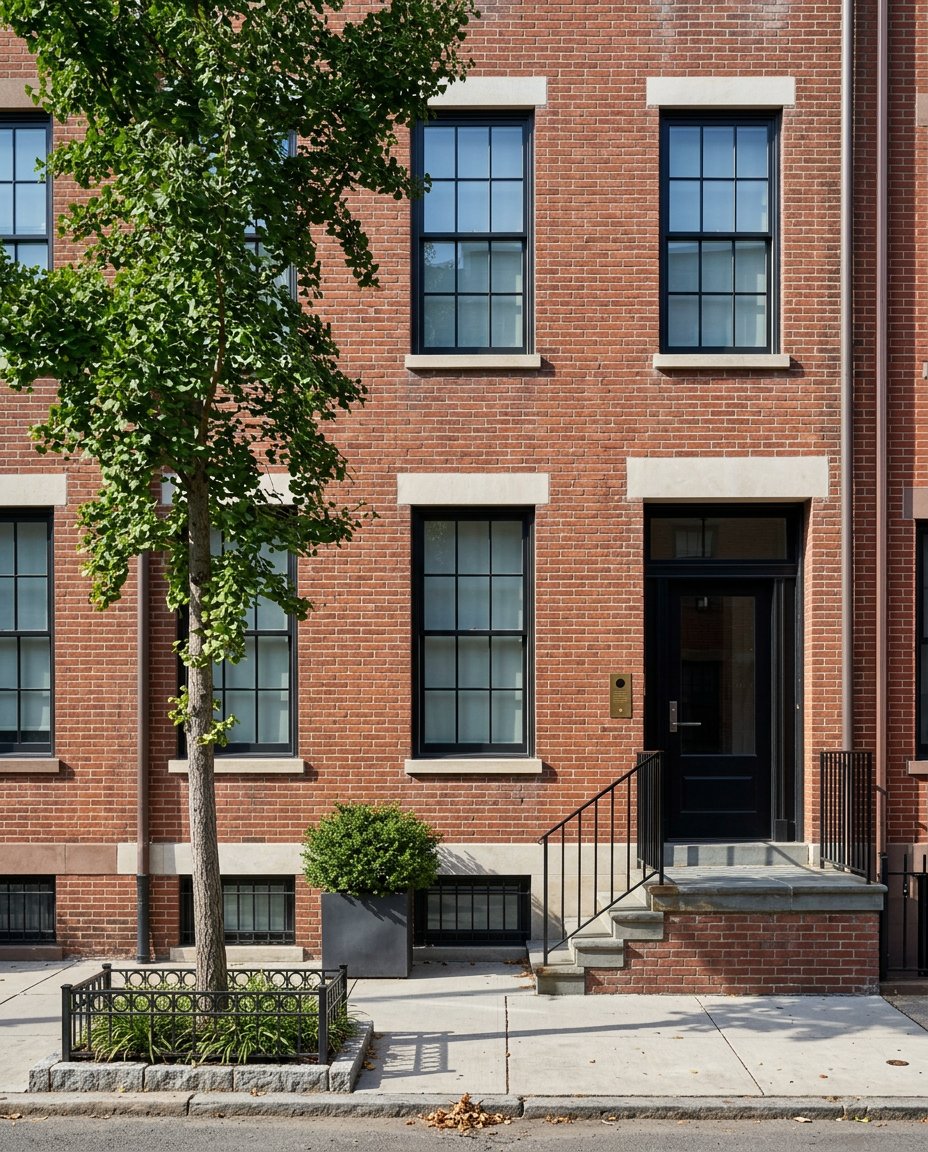
Two‑ and three‑family townhouses and small walkups are classic small‑investor plays. You can live in one unit and rent the others, which may open options for owner‑occupant financing that differ from commercial loans. Underwriting is straightforward when units are free‑market and legal, but always verify rent status, certificates of occupancy, and violations before you model upside.
Lofts and adaptive reuse
Converted warehouses and loft‑style residences show up across North Brooklyn. If you consider a conversion, confirm lawful residential use, certificate of occupancy, and any open work or safety requirements. In New York City, legality and paperwork are as important as the brick and beam. If you cannot document legal status, plan for delays, added costs, or reduced rent potential.
Greenpoint vs. Williamsburg and LIC
Williamsburg set the early premium in North Brooklyn and still commands some of the highest prices, thanks to earlier rezoning, the L train, and marquee waterfront projects. Greenpoint offers a similar streetscape and amenity vibe, often with a slightly different housing stock and price mix. That dynamic has drawn renters and buyers who want Williamsburg‑level lifestyle with a distinct neighborhood feel.
Long Island City, across the creek in Queens, trends toward high‑rise condo and rental towers with strong 7, E, F, and M service and a more office‑adjacent profile. Greenpoint’s appeal is its blend of townhouse fabric and new waterfront product, plus direct demand from both North Brooklyn and Queens commuters. If you are comparing yield, look at rent levels, HOA or tax carry, and turnover dynamics across the three.
What the rules mean for your numbers
Rent regulation and tenant protections
New York’s Housing Stability and Tenant Protection Act of 2019 changed the game for stabilized units by limiting deregulation paths and tightening rules on improvements and rent increases. If a building includes rent‑stabilized apartments, your upside and renovation plan must reflect the law. Renewal increases for stabilized leases are set annually by the Rent Guidelines Board, and for 2025–26 the board set 3% for one‑year renewals and 4.5% for two‑year renewals. Before you make an offer, confirm whether units are registered and review rent histories through DHCR.
Building legality, permits, and conversions
In North Brooklyn, illegal conversions, missing certificates of occupancy, or open violations can derail a deal. Always review Department of Buildings records for permits, alteration history, and open violations, and check Housing Preservation and Development complaints. If something looks off, budget for remediation or walk away. Clean paperwork often correlates with smoother operations and faster financing.
Financing for small investors
Financing shifts based on unit count and whether you will live on site. Many owner‑occupants use residential loans for 2–4 unit properties with different down payment and reserve rules than commercial loans. For 5+ units, expect commercial underwriting to debt service and net operating income. Talk to multiple lenders early, and align your offer timelines with appraisal and loan approval realities.
A step‑by‑step checklist to vet Greenpoint deals
Use the free public tools below to verify the basics before you order reports or hire vendors. Copy this list and work through it in order.
- Start with comps and price context
- Pull recent sold comps and track days on market. Check Greenpoint’s current median trends on PropertyShark and compare price per square foot to your target listing.
- Confirm who owns it and what is recorded
- Search ownership, recorded mortgages, and deed history through NYC Department of Finance resources, then match the seller’s name and any liens to the listing.
- Check tax class and income filings
- On the DOF site, confirm tax class and assessed value. For income‑producing buildings, look for RPIE filings to see whether the owner reports rental income that aligns with claims in the listing.
- Verify zoning and what is allowed
- Use DCP’s zoning tools, such as ZoLa or PLUTO, to confirm zoning district, allowable uses, and whether any special waterfront or inclusionary rules apply. This step frames any expansion or conversion ideas.
- Review permits, CO, and violations
- On DOB BIS, look up alteration permits, the certificate of occupancy, and any open DOB violations. Cross‑check HPD housing code violations and 311 complaints for a fuller picture of building health.
- Confirm rent regulation status
- Use DHCR’s tools to check whether units are rent‑stabilized, whether registrations are current, and what the legal rents are. Model cash flow to the legal rent, not only the asking rent.
- Check flood risk and resiliency
- Use the NYC Flood Hazard Mapper to see current and future floodplains. Waterfront and low‑lying parcels may require added mitigation and insurance.
- Map transit and amenities
- Confirm distance to the G line stations and the East River ferry, then note proximity to McCarren Park, McGolrick Park, and the waterfront esplanade. These details drive rent premiums and leasing velocity.
- Build a simple pro forma
- Estimate gross rent based on market comps, apply a conservative vacancy rate, and budget taxes, insurance, utilities, repairs, reserves, and management. If units are regulated or the building needs code work, bake that into your timeline and costs.
- Call out red flags early
- Watch for no certificate of occupancy, signs of unpermitted conversion, large recent tax assessment jumps, unregistered stabilized units, open DOB or HPD violations, and properties flagged in future floodplain layers without clear mitigation.
How to move forward with confidence
Greenpoint can make sense for both owner‑occupants and portfolio buyers when you balance strong rents with realistic operating costs and regulatory guardrails. Anchor your underwriting to what the public record shows, and filter fast for clean paperwork and legal use. When you find a match, speed and certainty are your edge in this neighborhood.
If you want a second set of eyes on a deal or support sourcing off‑market options, reach out. As a local advisor active across LIC, Brooklyn, and Manhattan, Michael brings investor‑minded analysis, new‑development insight, and a full‑service team for acquisitions, rentals, and property management. Start the conversation with Michael Molina today.
PropertyShark’s Greenpoint market trends | RentCafe rent snapshot | NYC HPD on Greenpoint Landing | MTA G line map | DOB BIS permits and CO | DHCR rent registration | RGB Order 57 | NYC Flood Hazard Mapper | NYC Department of Finance | HSTPA overview
FAQs
Is Greenpoint a good place for a 2–4 unit purchase?
- Yes, many two‑ and three‑family properties exist, and you can often live in one unit and rent the others. Confirm legal use, rent status, and paperwork before modeling returns.
How do Greenpoint rents compare to nearby areas?
- Recent trackers show one‑bedroom asking rents commonly in the low‑to‑mid $4,000s, which is competitive with North Brooklyn. Compare unit size, finishes, and amenity sets when evaluating comps.
What rules most affect cash flow on a Greenpoint rental?
- Rent stabilization, annual RGB renewal limits, and HSTPA constraints shape rent growth and renovation strategies. Always verify DHCR registrations and use legal rents in your model.
How do I confirm if a loft or converted space is legal?
- Check DOB BIS for the certificate of occupancy and permits. If it is a loft‑style conversion, review legalization history and ensure residential use is documented and compliant.
Which public tools should I use to screen a listing?
- Start with PropertyShark for price context, NYC Department of Finance for ownership and taxes, DOB BIS for permits and CO, DHCR for rent status, and NYC’s Flood Hazard Mapper for risk.
What financing paths do small investors use in Greenpoint?
- Owner‑occupants often use residential loans on 2–4 unit properties, while 5+ units require commercial financing underwritten to NOI and DSCR. Speak with lenders early to align terms with your plan.
Ready to explore opportunities or pressure‑test a deal? Connect with Michael Molina for data‑driven advice and local sourcing support.