Thinking about calling Astoria home but not sure what daily life actually feels like? You want great food, easy access to Manhattan, and a neighborhood that still feels like a community. This guide gives you a grounded look at Astoria’s parks and waterfront, dining and arts, housing styles, commutes, and day‑to‑day rhythm so you can picture your life here. Let’s dive in.
Astoria at a glance
Astoria sits on northwest Queens’ waterfront between the East River and the Grand Central Parkway, with close ties to Long Island City. It is a multiethnic neighborhood known for long‑established immigrant communities alongside younger professionals and households who value transit and park access. You will notice multilingual storefronts and a vibrant mix of local shops and restaurants that reflect this diversity, which is consistent with the district’s high share of foreign‑born residents and language diversity at home, as summarized by Census Reporter’s profile of Queens Community District 1.
According to community snapshots, the district that includes Astoria has a relatively young median age and a strong share of college graduates. Median household income trends sit in the mid to high five figures, and owner‑occupied home values in the area are above citywide averages. For a quick neighborhood overview, the Astoria, Queens page is a helpful orientation.
Housing and streetscape
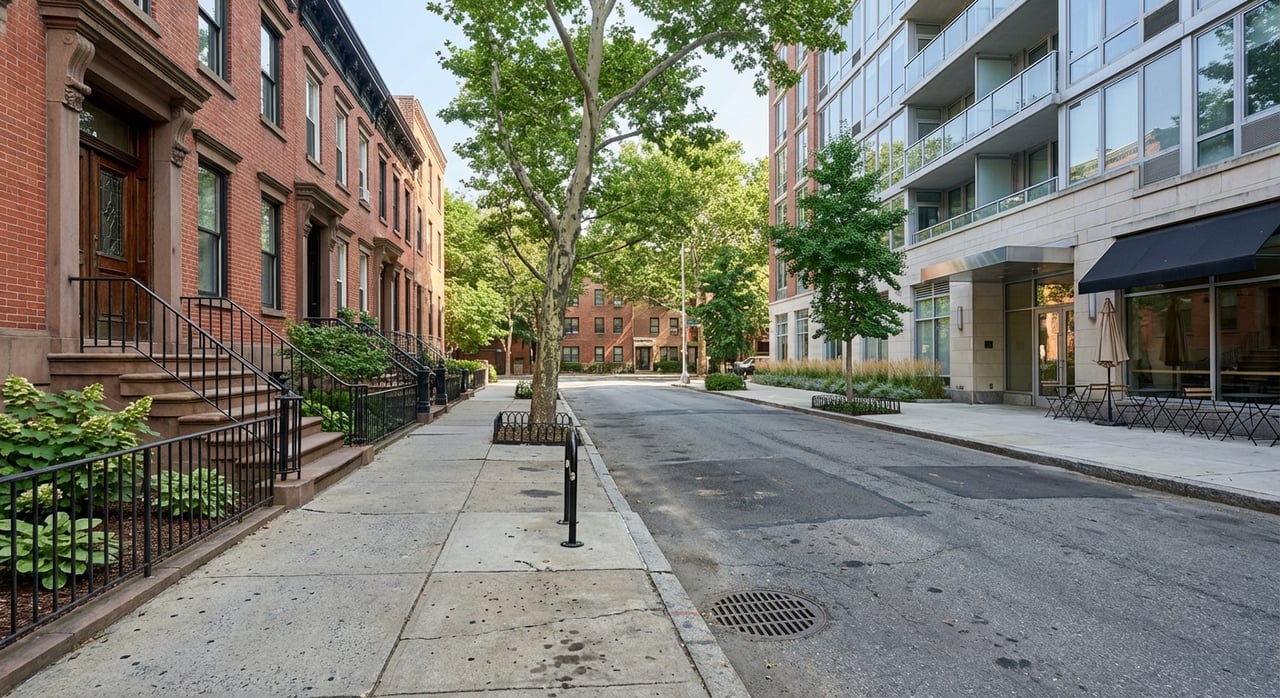
Astoria’s housing is a true mix. You will see pre‑war brick walk‑ups, two and three‑family rowhouses, co‑ops and postwar mid‑rises, plus newer condo buildings near the waterfront. The look and feel can change block to block, from quieter residential stretches to lively commercial corridors.
A few micro‑areas help you get oriented:
- Ditmars and Astoria Heights: more residential blocks with a neighborhood feel.
- 30th Avenue and Broadway: active café and restaurant corridors.
- Steinway and northern Astoria: a varied mix of shops and services.
- Halletts Point and the waterfront: newer development and river views.
Parks and waterfront
Astoria Park is the neighborhood’s outdoor star, running along the East River with a track, courts, playgrounds, and open lawns. It also houses the historic Astoria Play Center and the city’s largest outdoor municipal pool, with a main basin that is about 330 feet long. After a multi‑million‑dollar renovation, the pool reopened for the 2024 to 2025 season and remains a major summer draw, according to Astoria Park’s history.
Just south along the river, Socrates Sculpture Park offers free, outdoor art with year‑round programming. Nearby, the Noguchi Museum provides a quieter mix of indoor and outdoor galleries. Halletts Point’s growing esplanade adds more spots for strolling and skyline views. Expect a seasonal rhythm: summer weekends can be busy around the park and waterfront, while colder months lean into museums, local cafés, and cozy restaurants.
Food and arts
Astoria is one of the city’s most celebrated neighborhoods for diverse and approachable dining. You will find long‑standing Greek tavernas on Ditmars and 30th Avenue, Central and Eastern European institutions, and a wide range of Middle Eastern, South Asian, and Latin American options. That cross‑cultural mix is a big part of everyday life here and is reflected in roundups that highlight Astoria for food diversity and value, like this long‑view from Eater’s neighborhood list.
Arts and film have deep roots in Astoria. The Museum of the Moving Image anchors a full slate of screenings, exhibitions, and family programs next to the historic Kaufman Astoria Studios, an active production campus. Their presence, together with community venues and outdoor arts programming at Socrates Sculpture Park, gives the neighborhood a creative feel that shows up in weekend plans year‑round.
For classic neighborhood tradition, the century‑old Bohemian Hall & Beer Garden is a warm‑weather institution and a favorite for relaxed outdoor afternoons.
Getting around
The BMT Astoria Line connects directly to Manhattan, with the N train serving Astoria–Ditmars Boulevard at most hours and the W complementing it on weekdays. Many residents cite a typical 20 to 30 minute ride to Midtown from central Astoria stations, though exact times depend on your start and destination. For route specifics, see the N train service overview.
You also have the NYC Ferry. The Astoria route publishes a crossing time of about 22 minutes to East 34th Street, which makes for a scenic and often relaxing commute. Check the NYC Ferry FAQ for schedules and fares.
Buses fill in the gaps. The M60 SBS connects northern Astoria corridors to LaGuardia Airport, and multiple Q routes serve cross‑Queens trips. The neighborhood grid, Citi Bike docks, and dedicated bike lanes make short rides practical. If you drive, proximity to the RFK and Hell Gate bridges can be convenient, but plan for surface congestion and limited street parking.
Tip for trip planning: try Astoria–Ditmars on the N to 59 Street in Midtown East, or the Astoria Ferry to East 34th Street, and always check MTA or NYC Ferry alerts the morning you travel.
Daily rhythm and vibe
On a weekday morning, you might grab coffee on 30th Avenue, pass multilingual storefronts, then jog the riverside track at Astoria Park. Evenings often spill onto sidewalk seating along Broadway or Ditmars as restaurants fill up. In summer, expect lines for the pool and lively outdoor tables at places like Bohemian Hall. In winter, museums and local bakeries keep the neighborhood moving at a calmer pace.
Costs and the market
Recent rental indicators place Astoria’s median around 2,500 dollars per month as of February 2026, with some one‑bedroom medians near 3,000 dollars in select pockets. For buyers, neighborhood‑level medians often fall in the mid 600s to 800s, with wide variation by property type and location. Numbers shift with inventory and season, so use up‑to‑date marketplace snapshots when you start your search.
Astoria has historically leaned renter heavy, yet there are notable ownership pockets and newer condo options closer to the waterfront. Owner‑occupied values in the broader district trend above citywide averages, per Census Reporter’s community summary.
Tradeoffs to expect
As Astoria has grown in popularity, rents have risen and some blocks feel busier on weekends. Summer can bring crowds to the pool and waterfront. Popular dining corridors can be lively at night, while quiet residential streets are usually only a few blocks away. These are normal tradeoffs for a neighborhood that balances convenience, culture, and green space.
Who Astoria fits
You may love Astoria if you want neighborhood variety, a straightforward subway or ferry ride to Midtown, and access to a large waterfront park. It also appeals to many who want more space and value compared with parts of Manhattan or western Brooklyn, without losing strong dining and arts options. If that sounds like your lifestyle, Astoria is worth a close look.
A day in Astoria
- Morning: Coffee on 30th Avenue, then a riverside jog or dog walk in Astoria Park.
- Midday: A quiet hour at the Noguchi Museum, or outdoor art at Socrates Sculpture Park.
- Afternoon: Late lunch at a neighborhood taverna, then a scenic NYC Ferry ride for a Midtown errand.
- Evening: A screening at the Museum of the Moving Image, or a relaxed outdoor table at Bohemian Hall.
Thinking about renting or buying in Astoria or nearby Long Island City? For local guidance, strategic pricing, and full‑service support across purchases, sales, rentals, and new development, connect with Michael Molina. You will get boutique, client‑first service backed by the marketing tools of Compass, including Concierge for select seller preparations.
FAQs
Is Astoria safe for residents?
- Astoria is widely regarded as a livable Queens neighborhood with active public spaces and steady foot traffic in many corridors; for data, consult NYPD precinct reports and the Astoria, Queens overview.
How long is the commute from Astoria to Midtown?
- Many riders report about 20 to 30 minutes via the N and W, for example Astoria–Ditmars to 59 Street in Midtown East; always confirm current service using the N train route reference.
What are the best outdoor spots in Astoria?
- Astoria Park’s riverfront paths and historic Olympic‑size pool are top draws, and outdoor art at Socrates Sculpture Park is a year‑round favorite; see Astoria Park details for pool history and features.
Are there strong arts and film options in Astoria?
- Yes, the Museum of the Moving Image offers screenings and exhibitions next to the active Kaufman Astoria Studios, giving the neighborhood a long‑standing film and creative identity.
What does rent cost in Astoria right now?
- A recent snapshot places the median rent around 2,500 dollars per month as of February 2026, with notable variation by building type and location; verify current numbers before you tour.
Is Astoria good for biking or driving?
- The neighborhood grid, Citi Bike stations, and bike lanes support short rides, while drivers have quick access to the RFK and Hell Gate bridges; expect congestion and limited street parking during peak times.