If you own or manage a building on the Upper East Side, Local Law 152 can feel confusing. You want to protect residents, avoid violations, and keep your sale or purchase on track. The good news is LL152 is a visual inspection program with a clear path to compliance. In this guide, you will learn who must comply, what inspectors look for, how to file certifications, and a simple timeline that keeps you on schedule. Let’s dive in.
LL152 basics for UES buildings
Local Law 152 requires periodic, visual inspections of exposed gas piping in New York City buildings. The goal is to identify hazardous conditions and ensure timely repairs.
Inspections follow a four-year cycle set by the NYC Department of Buildings. Each building’s due date depends on its community district and the city’s published schedule. You should confirm your address and cycle on the city’s site using the official DOB LL152 gas piping systems guidance.
Who must comply
The building owner of record is responsible for LL152 compliance. On the Upper East Side, that often means a co-op board, condo association, or property manager coordinating on behalf of the owner entity.
LL152 applies citywide and is not limited by building size. If your property has gas piping, plan for the required inspection in your assigned cycle. Do not assume your date based on neighborhood alone. Confirm your building’s community district on the DOB site.
What inspectors check
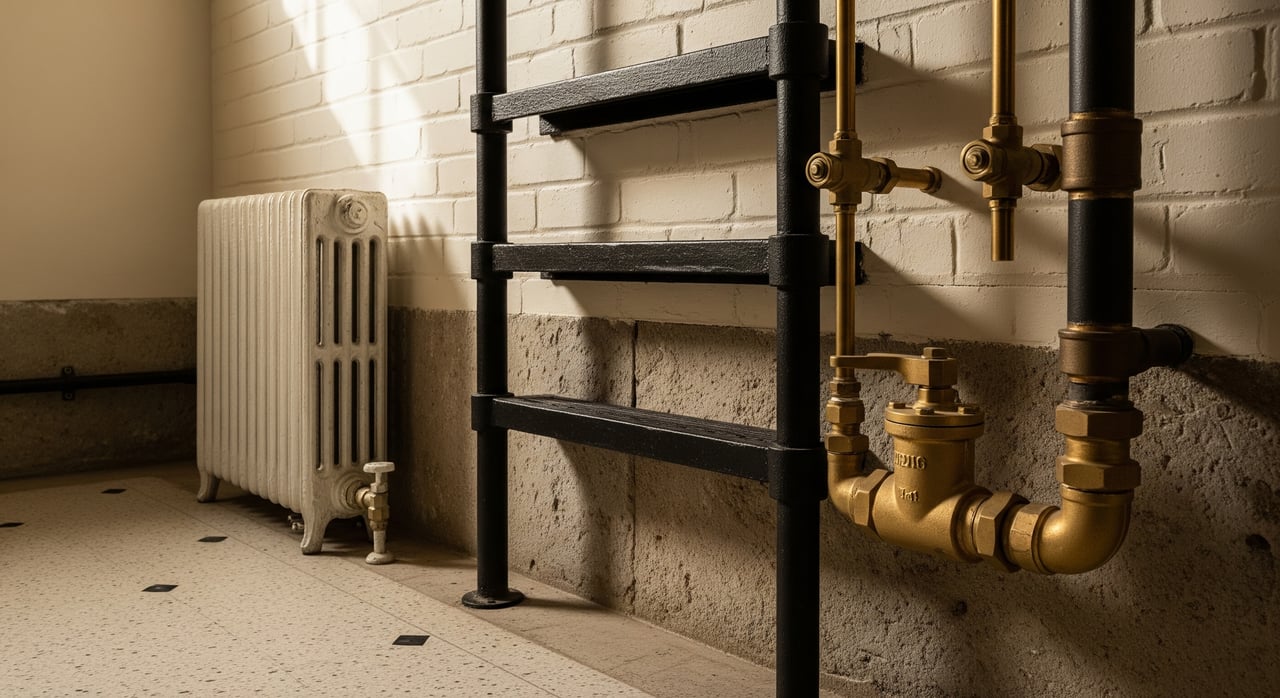
LL152 inspections are visual only. A qualified professional completes a walkthrough of exposed gas piping and notes observable issues. Typical areas and elements include:
- Exposed piping in basements, boiler rooms, mechanical rooms, corridors, utility closets, and other common areas.
- Piping supports and hangers, visible corrosion, signs of leaks or discoloration, and improper fittings or joints.
- Visible connections to appliances, including flexible connectors when exposed.
- Evidence of combustion products or venting issues that are visible during the inspection.
- Accessibility and labeling where applicable, such as shutoff valve access or meter access.
If an inspector suspects an immediate hazard, they will direct you to take safety actions right away. That can include shutting down service and contacting the utility.
Out-of-scope items
LL152 does not require invasive or pressure testing unless a defect is found that triggers further work. Generally out of scope:
- Piping hidden inside finished walls, floors, or ceilings that is not visible.
- Pressure tests, unless required for follow-up repairs.
- Internal appliance inspections beyond what is visible externally.
How GPS certifications are filed
Your inspector documents the visit and files the appropriate GPS certification with the DOB through its electronic system. A certification commonly referred to as GPS-2 is used in the LL152 process. The DOB may update form names and instructions, so always check the current steps on the DOB NOW filing instructions.
What to expect in the filing package:
- Building identification details, including borough, block, lot, and address.
- The inspector’s name, license number, and contact information.
- Inspection date and a statement of whether hazardous conditions were found.
- If hazards were found, documentation of corrective work or a plan and timeline for correction. Follow-up filings may be required.
- Supporting documents such as photos, inspection reports, and repair permits when applicable.
Inspections and certifications are typically completed by a licensed master plumber or another qualified professional permitted by DOB guidance. Confirm the currently authorized filers on the DOB site.
A simple UES timeline
Because deadlines are based on community district, start early so you have room for repairs and re-inspection if needed. A practical countdown looks like this:
- T minus 90 days: Check the DOB LL152 schedule for your address and community district. Notify your board, managing agent, or owner group, and add the date to your compliance calendar.
- T minus 60–45 days: Solicit bids and hire a licensed master plumber or inspection firm experienced with LL152 and DOB NOW filings.
- T minus 30 days: Complete the visual inspection and document findings with photos and a written report.
- T minus 30–10 days: Finish any repairs, obtain permits if required, and schedule re-inspection when needed.
- T minus 10–0 days: Your certifier submits the GPS certification with supporting documentation in DOB NOW.
- After filing: Keep confirmation receipts and records. If follow-up work is required, schedule it promptly.
For buyers and sellers
If you are planning a sale or purchase on the Upper East Side, LL152 compliance should be part of your due diligence. Buyers can request copies of recent inspection reports and GPS filings to confirm there are no outstanding violations or unresolved hazards. Sellers can streamline deals by organizing these documents up front.
Ask the managing agent or board for the latest inspection date, any noted deficiencies, and proof of repairs. Having a clean file helps prevent delays and supports buyer confidence.
Common pitfalls
Avoid these frequent issues:
- Waiting too long to schedule inspections and repairs, which risks missing the DOB deadline.
- Hiring contractors unfamiliar with LL152 requirements and DOB NOW electronic submissions.
- Failing to document corrections with photos, receipts, and permits that support your filing.
- Assuming concealed piping is automatically exempt from attention. While hidden piping is not part of the visual inspection, defects discovered during other work can trigger further action.
Safety and contacts
If there is a suspected gas leak or immediate hazard during an inspection, treat it as an emergency. Follow the inspector’s direction to shut down service if needed and contact the utility right away. For Manhattan addresses, refer to Con Edison gas safety guidance for emergency procedures.
For official rules, schedules, and forms, use the DOB LL152 gas piping systems guidance. Many LL152 filings are submitted through DOB NOW. For help finding the right submission channel and steps, consult the DOB NOW filing instructions.
For general, non-emergency city help, use NYC 311. For address-specific deadlines, always verify your community district and cycle on the DOB site.
Planning a move on the Upper East Side and want to stay ahead of compliance while maximizing your sale outcome? Talk with the team at Unknown Company for local guidance that fits your timeline, and request a free home valuation.
FAQs
What is LL152 for NYC buildings?
- LL152 requires periodic visual inspections of exposed gas piping in NYC buildings to identify hazardous conditions and ensure timely corrective action.
Who is responsible for LL152 compliance on the UES?
- The building owner of record is responsible. Co-op boards, condo associations, or managers often coordinate inspections and filings on the owner’s behalf.
How often are LL152 inspections required?
- Inspections occur on a four-year cycle set by the Department of Buildings and are scheduled by community district. Confirm your building’s deadline on the DOB site.
What does an LL152 inspection include and exclude?
- Inspectors review exposed piping, supports, visible corrosion or leaks, connections, and access to shutoffs. Hidden piping and pressure testing are generally out of scope unless defects require further work.
What happens if a hazard is found during inspection?
- Immediate hazards can lead to a gas shutoff and emergency repairs. Follow the inspector’s direction and contact the local utility right away for safety.
Where do I find forms and filing steps for LL152?
- Use the DOB’s official LL152 guidance and DOB NOW instructions for the latest forms and submittal steps, including GPS certifications.