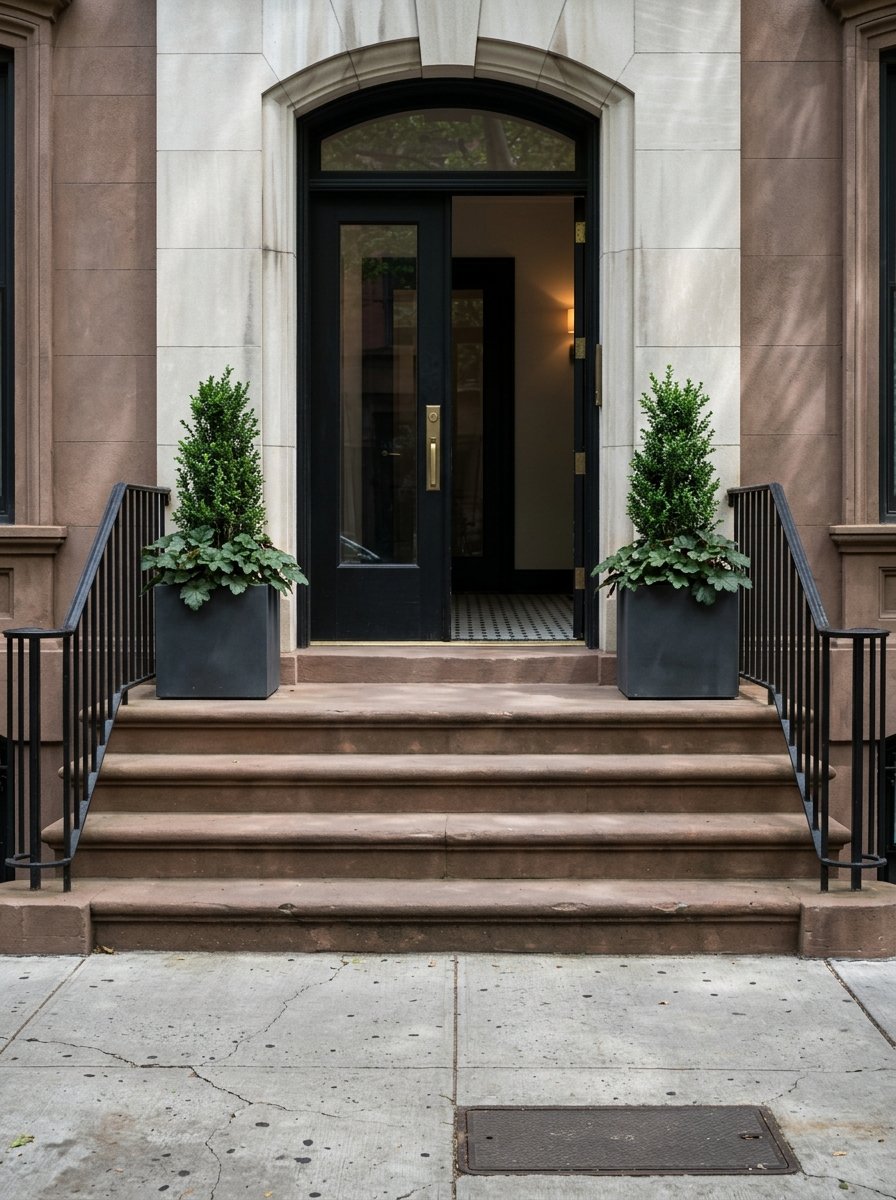
If your ideal New York weekend involves more strolling than scheduling, the Upper West Side has a rhythm worth knowing. This is a part of Manhattan where daily life tends to unfold on foot, with coffee spots, parks, museums, and errands all fitting into a few easy blocks. If you are thinking about living here, or simply want to understand the neighborhood beyond the usual highlights, this guide will show you what a local-style weekend can really look like. Let’s dive in.
Why the Upper West Side Feels So Livable
The Upper West Side runs roughly from West 59th Street to West 110th Street, bordered by the Hudson River on the west and Central Park West on the east. According to City Planning, Broadway, Amsterdam Avenue, and Columbus Avenue form the neighborhood’s core commercial corridors, serving a dense residential area with a strong day-to-day local feel.
That local rhythm is shaped in part by how people get around. NYC DOT says about 73% of households in the neighborhood do not own a car, which helps explain why weekend plans here often center on walking, transit, and short neighborhood stops instead of driving across town. For you, that can mean a weekend that feels convenient, flexible, and easy to enjoy without much planning.
Transit supports that pace. The west side of Central Park is served by the 1, 2, 3, B, and C trains, and the M79 crosstown bus connects the park and the west side. In practice, many of the places you would want to visit over a weekend are close enough to combine into one relaxed loop.
Saturday Starts With Coffee and Breakfast
A local-style Saturday on the Upper West Side often begins with a simple question: where are you grabbing coffee? The neighborhood has several reliable options that fit naturally into a morning walk and help set the tone for a slower, more residential day.
Joe Coffee at West 85th Street and Columbus Avenue describes its mornings as a mix of families, professionals, and regulars. That detail says a lot about the neighborhood itself. You are not stepping into a weekend scene built only for visitors. You are stepping into routines people repeat every week.
Other easy breakfast anchors include Birch Coffee at 750 Columbus Avenue, Levain Bakery at 351 Amsterdam Avenue, and Zabar’s at 2245 Broadway. Levain opens daily from 7 a.m. to 10 p.m., and Zabar’s is open 365 days a year with café hours that work well for a lingering breakfast or early lunch.
Add a Greenmarket to the Morning
If you want the weekend to feel especially local, build in a market stop. The Upper West Side has year-round greenmarkets that make it easy to turn a basic morning outing into something that feels rooted in neighborhood routine.
On Saturdays, Tucker Square Greenmarket at West 66th Street and Columbus Avenue is a natural choice. It runs year-round on Thursdays and Saturdays and sits across from Lincoln Center, which makes it easy to pair with breakfast, a walk, or a cultural stop nearby.
On Sundays, the 79th Street Greenmarket on Columbus Avenue between 77th and 81st Streets is another strong option. It has served the neighborhood since 1983, giving it the kind of long-standing place in local life that many buyers look for when they imagine settling into a Manhattan neighborhood.
Central Park Makes the Day Easy
One reason the Upper West Side works so well for a full weekend is that Central Park is not just nearby. It is woven into the neighborhood’s routine. Along the west side, the park stretches from 59th to 110th Street, creating easy access for walks, quiet breaks, and unplanned detours.
If you want a structured but low-key route, the Central Park Conservancy’s Upper West Side Tree Walk is about a mile and takes roughly an hour. It is an easy way to enjoy the park without feeling like you need to commit to a half-day outing.
You can also add Strawberry Fields, located on the west side of the park between 71st and 74th Streets. It fits naturally into a neighborhood walk and gives your day one of those Upper West Side moments that feels calm, familiar, and distinctly local.
Museums and Culture Within Reach
One of the biggest lifestyle advantages of the Upper West Side is how easily culture fits into an ordinary day. You do not need a major plan or cross-city trip to include something meaningful in your weekend.
The American Museum of Natural History sits at Central Park West and 79th Street, while the New-York Historical is at 170 Central Park West near 77th Street. Both are right in the neighborhood’s regular orbit, making them feel less like special-event destinations and more like places you can revisit often.
Farther south, Lincoln Center spans West 62nd to 65th Streets between Columbus and Amsterdam Avenues. Depending on how you shape your day, it can work as a starting point, a midday stop, or part of your evening plans.
Sunday Slows Down by the Water
If Saturday on the Upper West Side feels like coffee, parks, and museum options, Sunday often leans more residential. That is where Riverside Park comes in.
NYC Parks describes Riverside Park as a four-mile waterfront park along the Hudson River from 72nd to 158th Streets. It includes a promenade, greenway, recreation areas, and a marina at 79th Street. For you, that means Sunday can be as simple as a long walk, a bike ride, or a reset by the water.
This riverfront edge gives the neighborhood a second outdoor identity beyond Central Park. One side offers the classic park experience many people picture first. The other gives you space, movement, and a more lived-in Sunday atmosphere.
Errands Here Feel Like Part of the Lifestyle
A neighborhood starts to feel like home when errands are easy. On the Upper West Side, everyday tasks often blend into the weekend in a way that feels efficient rather than rushed.
NYC DOT’s recent curb updates along Columbus Avenue added features like loading zones, bike corrals, and a street seat in response to strong pedestrian demand, limited curb space, and low car ownership. That supports a neighborhood pattern where people handle groceries, coffee runs, short meetups, and small errands within a few blocks.
Zabar’s is one of the clearest examples of this lifestyle in action. A trip there can cover groceries, prepared foods, café time, and a quick housewares browse in one stop. If you are relocating from a more car-dependent area, that kind of compact convenience can be one of the biggest differences you feel right away.
Evenings Stay Relaxed and Neighborhood-Focused
The Upper West Side can certainly keep a weekend interesting, but its evening energy usually feels more low-key than high-intensity. That is part of the appeal.
For a cultural evening option, the David Rubenstein Atrium at Lincoln Center is open daily to the public and features free performances, talks, family shows, and civic programming on a regular basis. It is a good example of how the neighborhood offers access to arts and events without requiring a full formal night out.
If you want something more casual, The Dead Poet on Amsterdam Avenue offers a literary pub setting that has drawn locals, students, musicians, and professionals since 2000. For dinner, Cafe Luxembourg has been part of the neighborhood since 1983 and is known for French-leaning comfort food in a classic Upper West Side setting.
What This Weekend Says About UWS Living
Taken together, these weekend patterns tell you a lot about the Upper West Side lifestyle. This is a neighborhood where density does not have to feel chaotic, and where convenience does not come at the cost of character.
You can spend a full weekend moving between coffee shops, greenmarkets, parks, museums, groceries, and dinner without leaving the neighborhood. That kind of repeat-use convenience matters, especially if you are choosing a place to live based on how your real daily life will function, not just how it looks on a map.
For buyers, renters, and relocators, the Upper West Side often stands out because it offers Manhattan energy with a steadier weekend cadence. You still get culture, transit access, and iconic public spaces, but the experience can feel more grounded in everyday routines.
If you are comparing Manhattan neighborhoods, it helps to look past the headline attractions and focus on how a weekend actually flows. On the Upper West Side, that flow is one of the strongest selling points.
Whether you are relocating, exploring a move, or trying to understand which NYC neighborhood best fits your lifestyle, working with an advisor who understands how people really live block by block can make the search much clearer. If you want help navigating Manhattan and the broader NYC market, connect with Michael Molina.
FAQs
What makes an Upper West Side weekend feel different from other Manhattan neighborhoods?
- The Upper West Side stands out for its walkable layout, strong park access, easy transit connections, and a weekend rhythm built around everyday local routines like coffee, markets, museum visits, and waterfront walks.
Can you spend a full weekend on the Upper West Side without a car?
- Yes. NYC DOT says about 73% of households in the neighborhood do not own a car, and many weekend destinations are easily reached by walking, subway, or crosstown bus.
What are popular Saturday activities on the Upper West Side?
- A typical Saturday might include coffee, a stop at Tucker Square Greenmarket, a walk through Central Park, and time at nearby cultural destinations like the American Museum of Natural History, New-York Historical, or Lincoln Center.
What are popular Sunday activities on the Upper West Side?
- Sunday often has a slower pace, with walks or bike rides in Riverside Park, errands and café time around Broadway or Columbus Avenue, and a visit to the 79th Street Greenmarket.
Is the Upper West Side easy to navigate for newcomers?
- Yes. The neighborhood’s main avenues, park edges, and transit options create a layout that is relatively easy to learn, especially if you prefer getting around on foot and keeping most errands and outings close to home.
What does Upper West Side living feel like day to day?
- Based on the neighborhood’s density, local retail corridors, park access, and low car ownership, daily life often feels convenient, walkable, and centered on repeat neighborhood spots rather than destination-only outings.